

By Michael Jones
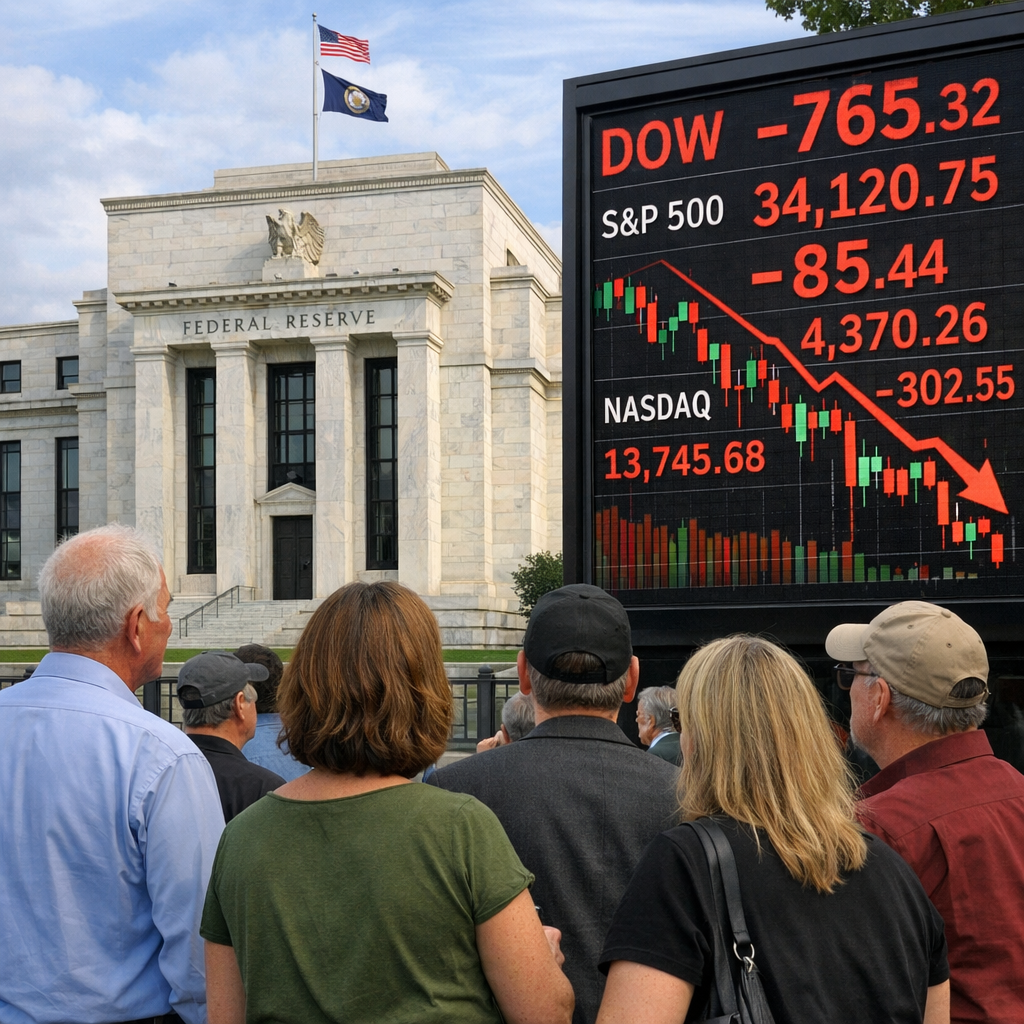
Across the country, Americans are navigating economic uncertainty as inflation remains elevated and the Federal Reserve raises interest rates. While these shifts might feel distant in places like Fayetteville, their effects are already showing up in every pocketbook, every industry, and every election.
What’s at Work with Inflation and Interest Rates
Inflation, already above the Fed’s 2% target, is being driven by a mix of soaring energy costs, lingering supply chain disruptions, and rising prices for essential goods. Even as inflation softened slightly in recent months, experts warn that high energy prices and rapid cost increases in housing and ‘supercore’ services pose upside risks. That’s pushed the Fed to approve its first rate hike in years and suggest more are likely.
(See national economic surveys and reports for specific numbers.)
How Rate Hikes Are Sticking to Your Wallet
For consumers, higher rates mean things like mortgage payments just got tougher — national home loans are now hovering near or above 7%. Borrowing costs rise for credit cards, auto loans, and other personal debt. Even for folks not borrowing, rising rents and utility bills follow inflationary trends.
The Political Crosswinds
Economics are front and center as we head deeper into the election season. Polls show many Americans are unhappy with how the economy is performing — concerns about basic costs like food, housing, energy, and healthcare are widespread. These worries will likely be strong factors in how people vote in local and national races.
Balancing Act Ahead
The Fed faces a tough decision: tighten too much and risk hurting growth and jobs; loosen too early and allow inflation to get away. So far, economic growth has slowed — the U.S. grew at about 1.5% in the last quarter — while the labor market remains relatively stable. The hope is that inflation gradually cools, but many forecasters say price pressures could linger into next year.
What Locally News Impacts Feel Like in Fayetteville
Here in our community, the effects are real. Prospective homebuyers are facing steeper monthly payments, renters worry about rising costs, and families are seeing less room in their budgets to save. Local businesses are also sensitive to rising input costs — from fuel to inventory — which can translate into higher prices or squeezed margins.
What You Can Watch For
- Keep an eye on federal inflation measures like core PCE — the slower they climb, the more likely the Fed may pause.
- Mortgage rates and lending terms — when those peak, they often signal broader stress in the economy.
- Consumer sentiment and surveys — even small shifts in how people feel about costs and the future can signal big political impacts.
- Employment trends — a cooling labor market might bring relief on inflation, but it also introduces new risks.
As national conversations swirl around interest rates and inflation, staying informed about how these decisions affect daily life isn’t just smart — it’s essential. When policies are shifting, knowing what’s coming helps you prepare.